SUBSTANCE -RELATED AND ADDICTIVE DISORDER
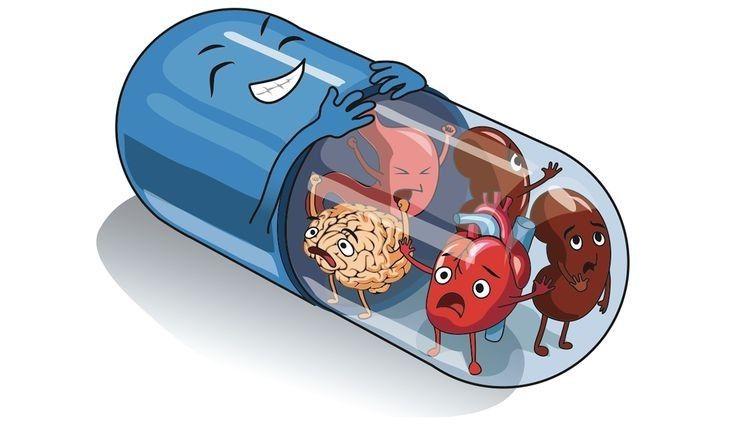
Substance-related and addictive disorders are conditions defined by the compulsive use of substances (like drugs or alcohol) or engagement in behaviors (like gambling) despite harmful consequences. Characterized by intense cravings, loss of control, tolerance (needing more for the same effect), and withdrawal symptoms when stopping, the addiction often becomes the central focus of a person’s life, severely impairing their health, relationships, and daily functioning.
ALCOHOL USE DISORDER
Alcohol use disorder is a condition where a person struggles to control their drinking and often thinks about alcohol, even when it leads to issues in their life. It may require an individual to drink more over time to achieve the same effects and can lead to withdrawal symptoms if they suddenly stop drinking. This condition is sometimes referred to as alcoholism.
Unhealthy alcohol use refers to any drinking that jeopardizes health or safety and includes binge drinking—defined as consuming five or more drinks in two hours for men or four or more for women. Binge drinking poses serious health and safety threats.
Symptoms:
- Inability to control your drinking
- Desire to cut back but failing to do so
- Spending excessive time drinking, obtaining alcohol, or recovering from its effects
- Intense cravings for alcohol
- Neglecting important responsibilities at work, school, or home due to drinking
- Continuing to drink despite knowing it causes problems in health, social life, or relationships
- Reducing social activities or hobbies to drink more
- Drinking in unsafe situations, like when driving or swimming
- Needing larger amounts of alcohol to achieve the same effects
- Experiencing withdrawal symptoms (e.g., nausea, sweating, shaking) when not drinking, or drinking to relieve these symptoms
Diagnostic Criteria:
A problematic pattern of alcohol use leading to clinically significant impairment or distress, as manifested by at least 2 of the following, occurring within a 12-month period:
- Alcohol is often taken in larger amounts or over a longer period than was intended.
- There is a persistent desire or unsuccessful efforts to cut down or control alcohol use.
- A great deal of time is spent in activities necessary to obtain alcohol, use alcohol, or recover from its effects.
- Craving, or a strong desire or urge to use alcohol.
- Recurrent alcohol use resulting in a failure to fulfill major role obligations at work, school, or home.
- Continued alcohol use despite having persistent or recurrent social or interpersonal problems caused or exacerbated by the effects of alcohol.
- Important social, occupational, or recreational activities are given up or reduced because of alcohol use.
- Recurrent alcohol use in situations in which it is physically hazardous.
- Alcohol use is continued despite knowledge of having a persistent or recurrent physical or psychological problem that is likely to have been caused or exacerbated by alcohol.
- Tolerance, as defined by either:
1. A need for markedly increased amounts of alcohol to achieve intoxication or desired effect.
2. A markedly diminished effect with continued use of the same amount of alcohol. - Withdrawal, as manifested by either:
1. The characteristic withdrawal syndrome for alcohol.
2. Alcohol (or a closely related substance) is taken to relieve or avoid withdrawal symptoms.
OPIOID USE DISORDER
Opioid use disorder (OUD) is a mental health issue where regular opioid use harms your health and life.
Opioids are highly addictive and are sometimes prescribed for moderate to severe pain. They increase dopamine, a hormone that creates feelings of pleasure. This can lead to short bursts of euphoria, an intensely enjoyable feeling, but it doesn’t last long.
OUD happens when you feel a strong urge to use opioids, even knowing the risks involved. This can include needing more of the drug to feel its effects or experiencing withdrawal symptoms when you stop taking it.
Symptoms:
- Taking higher doses of opioids or using them longer than prescribed.
- Having a strong urge to use opioids.
- Trying to cut back or quit but being unsuccessful.
- Using opioids despite social problems caused by their use.
- Spending excessive time getting, using, or recovering from opioids.
- Neglecting responsibilities at work, school, or home because of opioid use.
- Reducing or giving up activities you used to enjoy due to opioids.
- Using opioids in dangerous situations.
- Continued use despite worsening physical or mental health issues.
- Needing more opioids to achieve the same effects (tolerance).
- Experiencing withdrawal symptoms or using opioids to avoid them.
Diagnostic Criteria:
A problematic pattern of opioid use leading to clinically significant impairment or distress, as manifested by at least 2 of the following, occurring within a 12-month period:
- Opioids are often taken in larger amounts or over a longer period than was intended.
- There is a persistent desire or unsuccessful efforts to cut down or control opioid use.
- A great deal of time is spent in activities necessary to obtain opioids, use opioids, or recover from their effects.
- Craving, or a strong desire or urge to use opioids.
- Recurrent opioid use resulting in a failure to fulfill major role obligations at work, school, or home.
- Continued opioid use despite having persistent or recurrent social or interpersonal problems caused or exacerbated by the effects of opioids.
- Important social, occupational, or recreational activities are given up or reduced because of opioid use.
- Recurrent opioid use in situations in which it is physically hazardous.
- Opioid use is continued despite knowledge of having a persistent or recurrent physical or psychological problem that is likely to have been caused or exacerbated by opioids.
- Tolerance, as defined by either:
1. A need for markedly increased amounts of opioids to achieve intoxication or desired effect.
2. A markedly diminished effect with continued use of the same amount of opioids. - Withdrawal, as manifested by either:
1. The characteristic withdrawal syndrome for opioids.
2. Opioids (or a closely related substance) are taken to relieve or avoid withdrawal symptoms.
CANNABIS USE DISORDER
Cannabis use disorder (CUD) is a mental health issue where a person struggles with problematic cannabis use, leading to distress or difficulties in life. It falls under the category of substance use disorders (SUD).
Cannabis includes all products from the Cannabis sativa plant, such as dried flowers, leaves, and seeds, which contain over 500 chemicals, including cannabidiol (CBD).
Marijuana is a type of cannabis that has high levels of tetrahydrocannabinol (THC), the compound responsible for the “high.” While all marijuana is cannabis, not all cannabis qualifies as marijuana. CUD primarily involves substances that contain THC.
CUD can range from mild to severe and is characterized by a strong urge to use cannabis, increasing tolerance, or experiencing withdrawal symptoms when trying to quit.
Symptoms:
- Using more cannabis than planned or for longer than intended.
- Experiencing a strong urge to use cannabis.
- Trying and failing to cut down or control cannabis use.
- Spending excessive time obtaining, using, or recovering from cannabis.
- Struggling to meet responsibilities at work, school, or home due to use.
- Continuing to use cannabis despite problems in relationships.
- Avoiding social or recreational activities because of cannabis use.
- Using cannabis repeatedly, even in dangerous situations (like driving).
- Continuing use despite ongoing physical or mental health issues worsened by cannabis.
- Needing more cannabis to achieve the same effects (tolerance).
- Experiencing withdrawal symptoms that improve with more cannabis.
Diagnostic Criteria:
A problematic pattern of cannabis use leading to clinically significant impairment or distress, as manifested by at least 2 of the following, occurring within a 12-month period:
- Cannabis is often taken in larger amounts or over a longer period than was intended.
- There is a persistent desire or unsuccessful efforts to cut down or control cannabis use.
- A great deal of time is spent in activities necessary to obtain cannabis, use cannabis, or recover from its effects.
- Craving, or a strong desire or urge to use cannabis.
- Recurrent cannabis use resulting in a failure to fulfill major role obligations at work, school, or home.
- Continued cannabis use despite having persistent or recurrent social or interpersonal problems caused or exacerbated by the effects of cannabis.
- Important social, occupational, or recreational activities are given up or reduced because of cannabis use.
- Recurrent cannabis use in situations in which it is physically hazardous.
- Cannabis use is continued despite knowledge of having a persistent or recurrent physical or psychological problem that is likely to have been caused or exacerbated by cannabis.
- Tolerance, as defined by either:
1. A need for markedly increased amounts of cannabis to achieve intoxication or desired effect.
2. A markedly diminished effect with continued use of the same amount of cannabis. - Withdrawal, as manifested by either:
1. The characteristic withdrawal syndrome for cannabis.
2. Cannabis (or a closely related substance) is taken to relieve or avoid withdrawal symptoms.
GAMBLING ADDICTION
Gambling addiction, also called compulsive gambling, is an impulse-control issue. If you’re a compulsive gambler, you struggle to stop gambling, even when it harms you or your loved ones. You might gamble regardless of your financial situation, whether you’re winning or losing, and even when you know the risks or can’t afford to lose.
Symptoms:
- Constantly thinking about gambling and planning your next game.
- Needing to bet larger amounts to feel the same excitement.
- Struggling to cut back or stop gambling altogether.
- Feeling restless or irritable when trying to reduce your gambling.
- Using gambling as a way to escape from problems or negative feelings.
- Trying to recover lost money by gambling more (chasing losses).
- Hiding the truth about your gambling from family and friends.
- Risking important relationships or job opportunities due to gambling.
- Asking others for financial help because of gambling losses.
Diagnostic Criteria:
A problematic pattern of gambling behavior leading to clinically significant impairment or distress, as indicated by the individual exhibiting at least 4 of the following in a 12-month period:
- Need to gamble with increasing amounts of money to achieve the desired excitement.
- Restless or irritable when attempting to cut down or stop gambling.
- Has made repeated unsuccessful efforts to control, cut back, or stop gambling.
- Often gambles when feeling distressed.
- After losing money, often returns another day to get even.
- Lies to conceal the extent of involvement with gambling.
- Has jeopardized or lost a significant relationship, job, or educational opportunity because of gambling.
- May have relied on others to help with financial problems caused by gambling.