Schizophrenia Spectrum And Other Psychotic Disorder
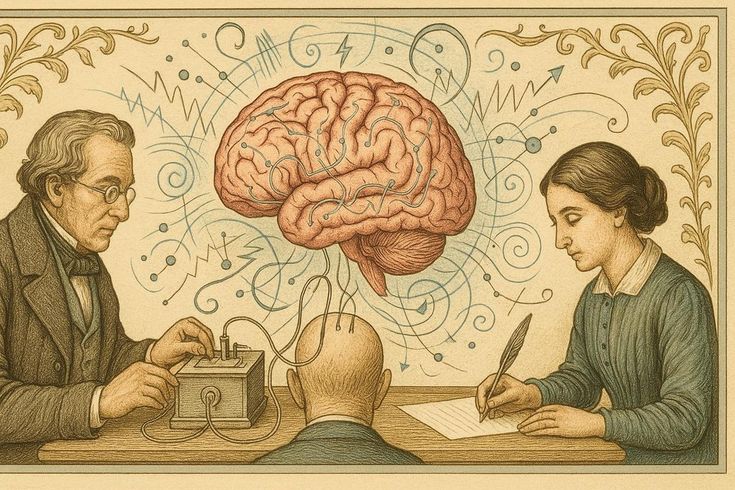
Schizophrenia is now viewed as a spectrum disorder, meaning it shares a range of related psychotic conditions. All these disorders involve some level of disconnection from reality, which can appear in various forms depending on the specific condition.
This disorder does not favor any gender, race, or ethnicity. Schizophrenia and similar psychotic disorders can seriously affect daily functioning, leading to challenges in work, school, and social situations. With schizophrenia, thoughts and perceptions can become disorganized or distorted, impacting both mental and physical health.
Schizophrenia Disorder
Schizophrenia is a serious mental health disorder that influences how individuals think, feel, and act. It can lead to symptoms like hallucinations (seeing or hearing things that aren’t there), delusions (strong beliefs in false ideas), and disorganized thoughts or behaviors. These symptoms can cause people to disconnect from reality, making everyday life quite challenging.
Treatment for schizophrenia is essential and typically includes medication, therapy, and support for managing daily activities.
Many individuals with schizophrenia may not realize they have a mental health condition or feel they need help. Research shows that untreated psychosis often leads to worsening symptoms, more frequent hospitalizations, reduced cognitive abilities, and poorer social outcomes. However, starting treatment early can help manage symptoms effectively and improve long-term prospects.
Symptoms:
Delusions are beliefs in things that aren’t real. For instance, someone with schizophrenia may think they’re being harmed or that others are making fun of them. They might also believe they’re famous or that disasters are imminent, even when that’s not true. Delusions are common for those with schizophrenia.
Hallucinations involve sensing things that aren’t present, like hearing voices or seeing things that others can’t. These experiences feel real to those affected.
Disorganized speech and thinking can make conversation difficult. Responses might not relate to the questions asked, and sometimes people struggle to form coherent thoughts. This can lead to nonsensical speech, referred to as “word salad.”
- Unusual motor behavior can manifest in different ways, such as childlike playfulness or unexplained agitation. Individuals with schizophrenia may have trouble focusing, following instructions, or might appear unresponsive.
- Negative symptoms involve a decline in daily functioning. People may neglect personal hygiene, avoid eye contact, or show little emotion. They may speak monotonously and lose interest in activities they once enjoyed, leading to social withdrawal and difficulty in planning.
Diagnostic Criteria:
Two (or more) of the following symptoms, each present for a significant portion of time during a 1-month period (or less if successfully treated):
- Delusions
- Hallucinations
- Disorganized speech
- Grossly disorganized or catatonic behavior
- Negative symptoms (e.g., apathy, poverty of speech)
Schizoaffective Disorder
Schizoaffective disorder is a mental health condition that combines symptoms of schizophrenia, like hallucinations and delusions, with mood disorders such as depression or bipolar disorder. A key sign for diagnosis is experiencing psychotic symptoms for at least two weeks without significant mood symptoms. This disorder can sometimes be misdiagnosed, which is concerning because treatment can vary widely between the correct and incorrect diagnoses.
There are three types of schizoaffective disorder: bipolar type (involving both schizophrenia and mania), depressive type (involving schizophrenia and depression), and mixed type (which includes symptoms of both mood states). Hearing voices is a common symptom, and the disorder usually starts in adolescence or early adulthood. In terms of severity, schizoaffective disorder lies between mood disorders and schizophrenia.
Several factors may contribute to schizoaffective disorder, including genetics, neural circuit issues, and environmental stress. While no single cause has been identified, research suggests that abnormalities in certain brain chemicals are linked to the disorder.
Symptoms:
Symptoms of schizoaffective disorder vary based on whether it’s the bipolar or depressive type. Common symptoms include:
- Delusions: Strong beliefs that aren’t based in reality, even when presented with evidence.
- Hallucinations: Sensing things that aren’t there, such as hearing voices.
- Disorganized thinking: Difficulty organizing thoughts or communicating clearly.
- Unusual behavior: Engaging in bizarre actions.
- Depressive symptoms: Feeling empty, sad, or worthless.
- Manic episodes: Increased energy, reduced need for sleep, and behaviors that seem out of character.
- Functioning issues: Struggling to perform at work, school, or in social settings.
- Neglecting personal care: Not maintaining cleanliness or taking care of one’s appearance.
Diagnostic Criteria:
- Characteristic Symptoms: An uninterrupted period of illness during which there is a major depressive or manic episode concurrent with symptoms that meet criterion A for schizophrenia.
- Delusions or Hallucinations: Delusions or hallucinations for 2 or more weeks in the absence of a major depressive or manic episode.
- Mood Episode Symptoms: Symptoms that meet criteria for a major depressive or manic episode are present for the majority of the total duration of the active and residual portions of the illness.
Delusional Disorder
Delusional disorder, formerly known as paranoid disorder, is a serious mental illness classified as a psychotic disorder. It makes it difficult for those affected to distinguish between reality and imagination.
The primary symptom of delusional disorder is delusions—strong beliefs in things that aren’t true. These delusions can sometimes relate to real-life situations, like feeling followed, poisoned, or conspired against. While these beliefs are based on misperceptions, the actual situations are either false or greatly exaggerated.
In contrast, bizarre delusions involve scenarios that are impossible, such as being cloned by aliens or having one’s thoughts aired on TV. Individuals who harbor such thoughts fall into the category of having bizarre-type delusions.
People with delusional disorder may still lead normal lives and maintain social relationships, except for their specific delusion. This differs from individuals with other psychotic disorders, who may display more obvious odd behaviors. However, some individuals with delusional disorder can become so focused on their delusions that it disrupts their daily lives.
symptoms:
- Feelings of being exploited.
- Preoccupation with the loyalty or trustworthiness of friends.
- A tendency to read threatening meanings into benign remarks or events.
- Persistently holding grudges.
- A readiness to respond and react to perceived slights.
Diagnostic Criteria:
- Delusions: Presence of one (or more) delusions for a month or longer.
- Content of Delusions: The content of the delusions is not bizarre (i.e., not implausible or ununderstandable).