NEURO DEVELOPMENTAL DISORER
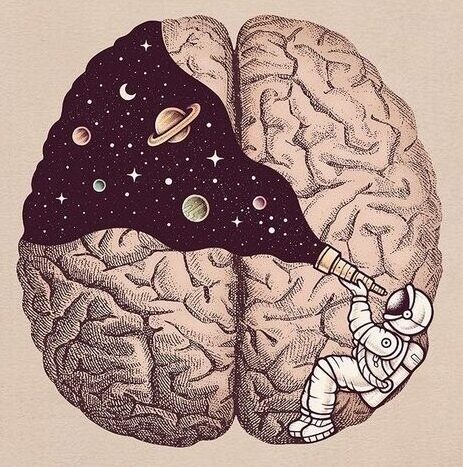
Neurodevelopmental disorders are mental health conditions that hinder the development of the nervous system, including the brain and spinal cord. As outlined by the DSM-5, these disorders usually emerge in early childhood before a child starts school and can continue into adulthood. They typically affect one or more areas of life, such as personal, social, academic, or work-related activities, depending on the specific disorder. Each condition can vary widely, so individuals with the same diagnosis may experience different levels of symptoms and challenges.
Attention Deficit Hyperactivity Disorder
ADHD, or Attention Deficit Hyperactivity Disorder, is a condition that makes individuals feel busy and easily distracted, leading to challenges in daily life.For children, ADHD can hinder classroom participation as they often struggle to focus and may be seen as disruptive. They can appear overly energetic during play, which might lead to misunderstandings with peers. This behavior stems from ADHD and can make everyday activities more challenging for them.Adults can also have ADHD; it’s a lifelong condition that often requires strategies to manage its effects. Many people discover their ADHD later in life, especially when facing difficulties at work or feeling frequently burnt out. Issues with organization and maintaining relationships can arise, and emotional responses may sometimes be intense, impacting interactions with others.The concept of neurodiversity frames ADHD as a different way of thinking and learning rather than a deficit. Understanding ADHD through this lens can help reduce stigma. A diagnosis can clarify why someone processes information uniquely and can offer pathways for support and assistance.
ADHD presents in three types:
ADHD-I (Inattentive): Individuals often daydream and struggle with focus, previously known as ADD (Attention Deficit Disorder).
ADHD-H (Hyperactive/Impulsive): These individuals are very active, have difficulty sitting still, and may act without thinking.
ADHD-C (Combined): This type includes symptoms from both other types, making it the most common form of ADHD.
Understanding these characteristics is crucial for anyone dealing with ADHD, providing clarity and insight into their experiences.
Symptoms of ADHD in children:
- Frequent daydreaming
- Losing or forgetting items often
- Inability to stay still;fidgeting
- Excessive talking
- Making careless mistakes or taking risks
- Difficulty resisting impulses
- Trouble taking turns
- Challenges in getting along with peers
Symptoms of ADHD in adults:
- Impulsiveness
- Disorganization and prioritization issues
- Poor time management
Inability to focus - Difficulty multitasking
- Restlessness or excessive activity
- Planning shortcomings
- Low tolerance for frustration
- Mood swings
- Incomplete tasks
- Hot temper
Struggles with stress management
Diagnostic Criteria:
1. Fails to give close attention: Fails to give close attention to details or makes careless mistakes.
2. Difficulty sustaining attention: Difficulty sustaining attention in tasks or play activities.
3. Does not seem to listen: Does not seem to listen when spoken to directly.
4. Does not follow instructions: Does not follow instructions and fails to finish tasks.
5. Difficulty organizing tasks: Difficulty organizing tasks and activities.
6. Avoids tasks requiring mental effort: Avoids tasks requiring sustained mental effort.
7. Loses things necessary for tasks: Loses things necessary for tasks or activities.
8. Easily distracted: Easily distracted by unrelated stimuli.
9. Forgetful in daily activities: Forgetful in daily activities.
Autism Spectrum Disorder
Autism spectrum disorder (ASD) is a developmental condition that influences how individuals perceive and interact with others, leading to challenges in communication and socializing. The “spectrum” describes the diverse range of symptoms and their varying severities. ASD encompasses previously distinct conditions like autism, Asperger’s syndrome, and childhood disintegrative disorder.
ASD typically emerges in early childhood and can hinder social functioning, impacting school and work life. Symptoms often become evident within the first year, with some children appearing to develop normally before regressing between 18 to 24 months.
While there’s no cure for ASD, early intervention during preschool years can significantly improve outcomes for affected children.
Symptoms:
Symptoms vary widely among individuals with ASD. Early signs in children under 12 months may include:
- Repetitive body movements
- Avoiding or not maintaining eye contact
- Lack of response to their name
Delays or regression in language skills
For children under 24 months, additional symptoms may include:
- Self-harm or self-isolation tendencies
- Intense focus on specific interests
- Challenges in expressing interests through gestures or words
- Difficulty engaging reciprocally in simple interactive activities
Diagnostic Criteria:
- Deficits in verbal or nonverbal communication: Deficits in verbal or nonverbal communication.
- Impaired social interactions: Impaired social interactions.
- Difficulty initiating or maintaining conversations: Difficulty initiating or maintaining conversations.
- Abnormalities in eye contact: Abnormalities in eye contact, facial expressions, or body language.
- Difficulty understanding social cues: Difficulty understanding social cues.