Depressive Disorder
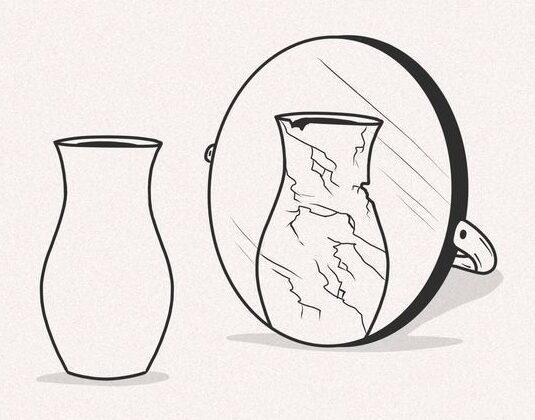
Depressive disorder (also known as depression) is a common mental disorder. It involves a depressed mood or loss of pleasure or interest in activities for long periods of time.
Depression is different from regular mood changes and feelings about everyday life. It can affect all aspects of life, including relationships with family, friends and community. It can result from or lead to problems at school and at work.
Depression can happen to anyone. People who have lived through abuse, severe losses or other stressful events are more likely to develop depression. Women are more likely to have depression than men.
Major Depressive Disorder
A depressive disorder is more than just feeling down for a short time. It isn’t a sign of weakness, and it can’t be simply wished away. Those suffering from depression can’t just “snap out of it” and often require treatment to feel better. Without help, symptoms can persist for weeks, months, or even years.
Major depression brings a mix of symptoms that can disrupt work, study, sleep, eating, and activities that once brought joy. While some may experience depression only once, it often returns multiple times throughout life. This disorder affects the body, mood, and thoughts, impacting daily life and causing distress not only for those affected but also for their loved ones.
Symptoms:
Not everyone who is depressed experiences every symptom. Some people experience a few symptoms, some many. Severity of symptoms varies with individuals and also varies over time.
- Appetite and/or weight loss, or overeating and weight gain
- Decreased energy, fatigue, being “slowed down”
- Difficulty concentrating, remembering, or making decisions
- Feelings of guilt, worthlessness, or helplessness
- Feelings of hopelessness or pessimism
- Insomnia, early morning awakening or oversleeping
- Loss of interest or pleasure in hobbies and activities that were once enjoyed
- Restlessness, irritability
- Persistent physical symptoms that do not respond to treatment, such as headaches, digestive disorders and chronic pain
- Persistent sad, anxious, or empty mood
- Thoughts of death or suicide,suicide attempts
Diagnostic Criteria:
Depressed Mood or Loss of Interest:
Five (or more) of the following symptoms have been present during the same 2-week period and represent a change from previous functioning; at least one of the symptoms is either (1) depressed mood or (2) loss of interest or pleasure.
- Depressed mood most of the day, nearly every day.
- Markedly diminished interest or pleasure in all, or almost all, activities most of the day, nearly every day.
- Significant weight loss when not dieting or weight gain, or decrease or increase in appetite nearly every day.
- Insomnia or hypersomnia nearly every day.
- Psychomotor agitation or retardation nearly every day.
- Fatigue or loss of energy nearly every day.
- Feelings of worthlessness or excessive or inappropriate guilt nearly every day.
- Diminished ability to think or concentrate, or indecisiveness, nearly every day.
- Recurrent thoughts of death, recurrent suicidal ideation without a specific plan, or a suicide attempt or a specific plan for committing suicide.
Persistent Depressive Disorder
Persistent depressive disorder is a long-lasting type of depression. You might feel sad, empty, or lose interest in things you used to enjoy. This can lead to low self-esteem, feelings of failure, and hopelessness, lasting for years and affecting your relationships, work, and daily life.
If you have this disorder, staying positive during happy times can be challenging. People may see you as gloomy or complain often. While it’s generally less severe than major depression, your feelings can range from mild to severe.
Coping with such a long-term condition can be tough, but a mix of talk therapy and medication often helps.
Symptoms:
- Sadness, emptiness or feeling down.
- Loss of interest in daily activities.
- Tiredness and lack of energy.
- Low self-esteem, self-criticism or feeling you’re not capable.
- Trouble focusing clearly and trouble making decisions.
- Problems getting things done well and on time.
- Quickly becoming annoyed, impatient or angry.
- Avoidance of social activities.
- Feelings of guilt and worries over the past.
- Poor appetite or overeating.
- Sleep problems.
- Hopelessness.
Diagnostic Criteria:
- Depressed Mood Depressed mood for most of the day, more days than not, for at least 2 years.
- Additional Symptoms At least two of the following symptoms:
- 1. Poor appetite or overeating
- Insomnia or hypersomnia
- Low energy or fatigue
- Low self-esteem
- Poor concentration or difficulty making decisions
- Feelings of hopelessness
premenstrual Dysphoric Disorder
Premenstrual dysphoric disorder (PMDD) is a more intense and disruptive variant of premenstrual syndrome (PMS). While PMS can lead to common symptoms such as bloating, headaches, and breast tenderness in the days leading up to your menstrual period, PMDD takes these challenges to a much higher level.
Individuals with PMDD experience the typical discomforts associated with PMS but also grapple with severe emotional and psychological symptoms. This often includes heightened feelings of irritability, anxiety, or depression that can significantly impact daily life.
The good news is that these distressing symptoms usually start to subside within a few days after menstruation begins. However, the severity of PMDD can be debilitating, making it essential for those affected to seek support and potential treatment options to manage their symptoms effectively and maintain a better quality of life.
Symptoms:
PMDD symptoms usually start 1-2 weeks before menstruation and can be categorized into emotional and physical issues. Many women find that emotional symptoms, such as severe mood swings, feelings of hopelessness, intense irritability, and high anxiety, dominate their experience. They often say they feel like a different person during these times.
Physically, PMDD symptoms are similar to severe PMS but more intense, including:
Extreme bloating and weight gain
Breast tenderness and swelling
Headaches or migraines
Joint and muscle pain
Severe fatigue
Changes in appetite with specific cravings
Behaviorally, PMDD can make it hard to concentrate, lead to feelings of being overwhelmed with daily tasks, and cause social withdrawal and sleep disturbances. Together, these symptoms can strain relationships, impact work, and reduce overall quality of life.
Diagnostic Criteria:
- Markedly depressed mood
- Marked anxiety or tension
- Marked affective lability
- Marked irritability or anger
- Decreased interest in usual activities
- Difficulty concentrating
- Feeling overwhelmed
- Changes in appetite or food cravings
- Hypersomnia or insomnia
- Feeling overwhelmed or out of control
- Physical symptoms (e.g., breast tenderness, bloating)