Anxiety Disorder
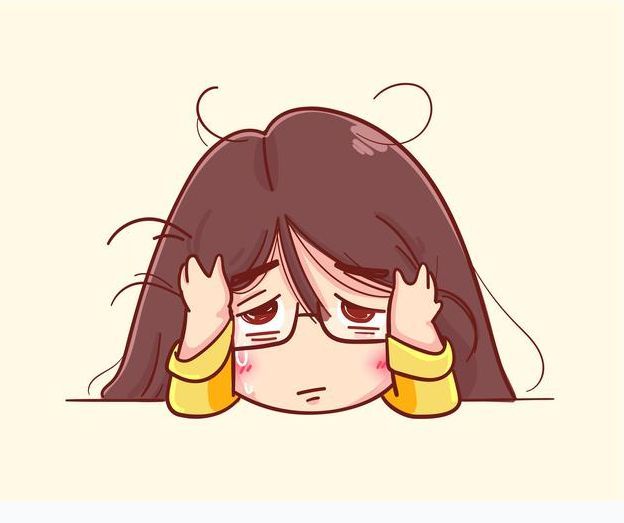
Anxiety disorders are a type of mental health condition where people experience overwhelming feelings of anxiety and fear. These feelings can disrupt daily life, affecting social interactions, work, and personal activities. Symptoms may include restlessness, irritability, fatigue, difficulty focusing, and physical issues like increased heart rate or chest and abdominal pain.
While we often say anxiety and fear interchangeably in everyday conversation, they actually mean different things in a clinical context. Anxiety is an uncomfortable emotional state with unclear or uncontrollable causes, while fear is a response to specific dangers. The term “anxiety disorder” encompasses various conditions, including phobias and other anxiety-related symptoms.
Generalized Anxiety Disorder
Feeling anxious from time to time is a common experience, particularly when life presents stressful situations. However, if you find that your anxiety is overwhelming, persistent, and hard to manage, it might indicate a condition known as generalized anxiety disorder (GAD). This type of anxiety can significantly disrupt your everyday life, making it difficult to engage in daily activities.
Generalized anxiety disorder can arise in individuals of any age, whether during childhood or later in adult life. While its symptoms may resemble those of other anxiety-related conditions—such as panic disorder or obsessive-compulsive disorder—it is crucial to recognize that each of these disorders has its unique characteristics and requires different approaches for treatment.
Living with generalized anxiety disorder can be a long-term struggle. It’s worth noting that it often occurs alongside other anxiety or mood disorders, making the experience even more challenging. Fortunately, there are effective strategies to help manage and alleviate the symptoms of GAD. Many individuals find relief through psychotherapy, which offers valuable tools and insights, or through medication prescribed by healthcare professionals.
In addition to these treatments, making conscious lifestyle changes can significantly impact your well-being. Learning coping mechanisms and practicing relaxation techniques can empower you to navigate your anxiety more effectively. Overall, while generalized anxiety disorder presents its challenges, there are numerous resources and strategies available to help individuals lead fulfilling lives despite their anxiety.
Symptoms:
Generalized anxiety disorder (GAD) can cause symptoms like:
- Constant, intense worrying
- Overthinking negative outcomes
- Seeing danger in safe situations
- Difficulty with uncertainty and decision-making
- Trouble letting go of worries
- Restlessness or feeling on edge
- Trouble focusing
Physical symptoms may include:
- Fatigue
- Sleep problems
- Muscle tension or soreness
- Trembling or jitteriness
- Being easily startled
- Sweating
- Nausea or digestive issues
- Irritability
Sometimes, anxiety lingers even when worries aren’t overwhelming, with common fears about safety or bad events. This anxiety can disrupt daily life, affecting relationships and work.
For children and teens, worries can be about:
School and sports performance
Family safety
Punctuality
Major events like earthquakes
Signs of excessive worry in young people may include:
- Pressure to fit in
- Perfectionism
- Redoing tasks for fear they’re not good enough
- Spending too long on homework
- Low self-esteem
- Seeking constant approval
- Frequent complaints like stomachaches
- Avoiding school or social activities
Diagnostic Criteria:
- Excessive Anxiety and Worry: Excessive anxiety and worry (apprehensive expectation), occurring more days than not for at least 6 months, about a number of events or activities (such as work or school performance).
- Difficulty Controlling Worry: The individual finds it difficult to control the worry.
- Associated Symptoms: The anxiety and worry are associated with three (or more) of the following six symptoms (with at least some symptoms having been present for more days than not for the past 6 months):
- Restlessness or feeling on edge
- Being easily fatigued
- Difficulty concentrating or mind going blank
- Irritability
- Muscle tension
- Sleep disturbance (difficulty falling or staying asleep, or restless, unsatisfying sleep)
Panic Disorder
Panic disorder is an anxiety condition marked by unexpected panic attacks. A panic attack involves a sudden rush of intense fear or discomfort that can happen without warning, often without a clear reason. Unlike typical fear responses, these attacks can strike suddenly, which adds to their frightening nature. The condition isn’t just about having these attacks; it’s also about the constant worry of having more attacks and the changes a person makes to avoid them.
During a panic attack, individuals might face intense physical and mental symptoms. Physically, they may feel a racing heart, difficulty breathing, chest pain, sweating, and dizziness. Mentally, they often experience overwhelming fear, feeling like they are losing control or even that they might die. This extreme fear can lead to an ongoing “fear of fear,” making individuals anxious about experiencing another attack, creating a vicious cycle.
The good news is that panic disorder is highly treatable. Effective treatment often combines therapy and medication. Cognitive Behavioral Therapy (CBT) is a leading approach that helps people confront and challenge their fearful thoughts and gradually face situations they avoid. Medications like SSRIs can also help by stabilizing brain chemistry and reducing the frequency of attacks. With appropriate treatment, many individuals can manage their symptoms and regain control over their lives.
Symptoms:
1.Anxiety
Anxiety is a feeling of discomfort that ranges from mild to intense, often linked with worry and fear. It can become so severe that it leads to panic attacks, the peak of anxiety.
When you begin to avoid situations out of fear of having a panic attack, it can create a cycle of living “in fear of fear,” making your anxiety worse and increasing the likelihood of more panic attacks.
2.Panic Attacks
A panic attack is a sudden wave of severe mental and physical symptoms that can happen unexpectedly. This experience can be very frightening.
Common Symptoms:
- Racing heartbeat
- Dizziness
- Sweating
- Nausea
- Shortness of breath
- Trembling
- Feeling faint
- Chocking sensation
- Chest pain
- Shaking
- Hot flashes or chills
- Dread or fear of dying
Most panic attacks last 5 to 20 minutes, but some can last longer. Frequencies vary—some have them a few times a month, while others may have several in a week.
Diagnostic Criteria:
A.Recurrent Panic Attacks: Recurrent unexpected panic attacks. A panic attack is an abrupt surge of intense fear or intense discomfort that reaches a peak within minutes, and during which time four (or more) of the following symptoms occur:
1. Palpitations, pounding heart, or accelerated heart rate
2. Sweating
3. Trembling or shaking
4. Sensations of shortness of breath or smothering
5. Feelings of choking
6. Chest pain or discomfort
7. Nausea or abdominal distress
8. Feeling dizzy, unsteady, lightheaded, or faint
9. Derealization (feelings of unreality) or depersonalization (being detached from oneself)
10. Fear of losing control or going crazy
11. Fear of dying
12. Paresthesias (numbness or tingling sensations)
13. Chills or hot flashes
B.Fear of Panic Attacks: At least one of the attacks has been followed by 1 month (or more) of one or both of the following:
Social Anxiety
Feeling nervous in social situations is completely normal—think about how you might feel on a first date or while giving a presentation. However, for those with social anxiety disorder, or social phobia, everyday interactions can trigger intense feelings of anxiety, self-consciousness, and embarrassment due to a fear of being judged by others.
This anxiety often leads to avoidance, significantly impacting various aspects of life, including relationships, work, and school. Social anxiety disorder can be long-lasting, but with therapy and medication, individuals can build confidence and improve their social interactions.
It’s important to note that shyness or discomfort in certain situations doesn’t automatically mean someone has social anxiety disorder, especially in children. People have different comfort levels based on their personality and experiences—some are naturally more reserved while others are outgoing.
Unlike typical nervousness, social anxiety disorder creates a cycle of fear and avoidance that disrupts daily life. It usually starts during the early to mid-teen years but can also begin in younger children or adults.
Symptoms:
Emotional and Behavioral Symptoms
Signs of social anxiety disorder often include:
- Persistent fear of being negatively judged
- Worry about embarrassing yourself
- Intense fear of talking to strangers
- Concern that others can see your anxiety
- Fear of physical symptoms like blushing or trembling
- Avoiding activities or conversations due to embarrassment
- Steering clear of attention-seeking situations
- Anticipating anxiety before social events
- Feeling anxious during social interactions
- Critiquing your performance and interactions after social gatherings
- Expecting the worst outcomes from negative experiences
Physical Symptoms
Physical signs associated with social anxiety disorder may include:
- Blushing
- Rapid heartbeat
- Trembling
- Excessive sweating
- Upset stomach or nausea
- Difficulty breathing
- Dizziness or lightheadedness
- Blank mind
- Muscle tension
Diagnostic Criteria:
- Fear or Anxiety: Marked fear or anxiety about one or more social situations in which the individual is exposed to possible scrutiny by others.
- Fear of Negative Evaluation: The individual fears that he or she will be negatively evaluated (e.g., humiliated, embarrassed) or that his or her anxiety will be judged.
- Avoidance of Social Situations: The social situations almost always provoke fear or anxiety.
- Avoidance or Endurance with Distress: The social situations are avoided or endured with intense fear or anxiety.
- Out of Proportion Fear: The fear or anxiety is out of proportion to the actual threat posed by the social situation.
Specific Phobias
Specific phobias are intense fears of certain objects or situations that are generally harmless, yet can lead to significant anxiety. People often avoid these triggers, and unlike temporary worries that come with events like public speaking or exams, specific phobias typically persist without treatment and can last a lifetime.
These phobias can produce strong physical, mental, and emotional reactions, impacting behavior at work, school, or in social settings.
They are common anxiety disorders and are more frequently found in females. Not every phobia requires treatment, but if it disrupts your daily life, there are various therapies available that can help you manage and overcome these fears, often for good.
Symptoms:
Common fears include:
- Situations: flying, driving, being in confined spaces, or going to school.
- Nature : thunderstorms, heights, or darkness.
- Animals/Insects : dogs, snakes, or spiders.
- Medical Issues : blood, needles, emergencies, or medical treatments.
- Others : choking, vomiting, loud sounds, or clowns.
People often experience:
- Intense fear and panic when faced with these triggers, even just thinking about them.
- Awareness that their fears may not be logical, yet feeling unable to control them.
- Increasing anxiety as they come closer to the fear-inducing object or situation.
- A tendency to avoid these situations or face them with overwhelming fear.
- Difficulty performing daily activities due to their fears.
- Physical symptoms such as sweating, a rapid heartbeat, chest tightness, or trouble breathing.
- Feelings of nausea, dizziness, or fainting, especially in relation to blood or injuries.
Diagnostic Criteria:
- Persistent Fear or Anxiety: Persistent fear or anxiety that is excessive or unreasonable, cued by the presence or anticipation of a specific object or situation (e.g., flying, heights, animals, receiving an injection).
- Avoidance of the Phobic Stimulus: The phobic object or situation is avoided or endured with intense fear or anxiety.
- Out of Proportion Fear: The fear or anxiety is out of proportion to the actual danger posed by the specific object or situation.