FEEDING AND EATING DISORDER
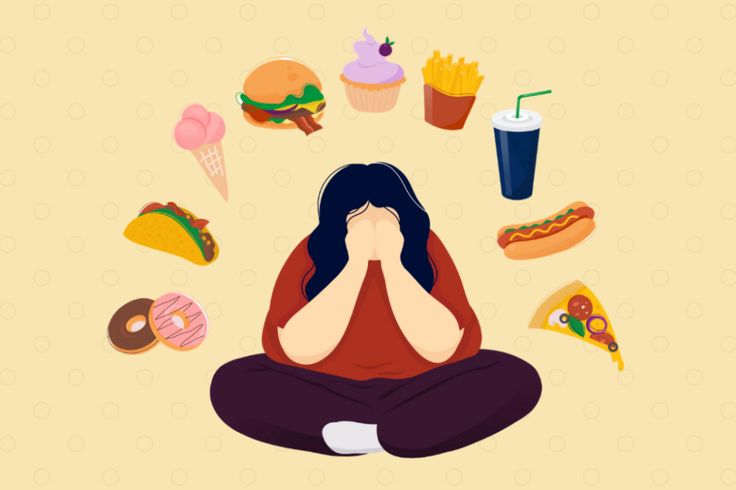
Eating disorders are serious issues that impact both your body and mind. They involve unhealthy thoughts and behaviors related to food, weight, and body image. These struggles can influence your health, emotions, and everyday life.
If not addressed properly, eating disorders can become lasting problems and may even be life-threatening. The most common types include anorexia, bulimia, and binge-eating disorder.
ANOREXIA NERVOSA
Anorexia nervosa, commonly known as anorexia, is an eating disorder where people maintain a low body weight influenced by their past weight experiences. While many with anorexia may appear very thin, some may not, and others may even look overweight, even though they have lost weight or haven’t gained enough.
Those affected often have an intense fear of gaining weight and may believe they are overweight, leading them to restrict their food intake significantly. This fixation on weight control can seriously impact their lives.
Anorexia can also lead to brain changes due to malnutrition, which occurs when the body doesn’t receive the necessary nutrients to function properly. It’s important to understand that continuing these harmful behaviors isn’t a simple choice.
Symptoms:
Physical Symptoms:
- Significant weight loss or not gaining expected weight for your age.
- Ongoing fatigue and weakness.
- Feeling dizzy or fainting.
- Difficulty with bowel movements and stomach discomfort.
- Sensitivity to cold when others feel comfortable.
- Swelling in arms or legs.
- Erosion of teeth and calluses on knuckles from inducing vomiting.
- Frequent stomachaches.
- Constant lack of hunger or feeling full quickly after small meals.
- Trouble concentrating or focusing.
- Low mood and increased anxiety.
- Stress fractures or reduced bone density.
Emotional and Behavioral Symptoms:
- Excessive exercise, including exercising despite injuries or at an intensity far beyond your peers.
- Fear of weight gain, leading to frequent weighing or body measurements.
- Obsession with appearance, checking mirrors often for perceived flaws, and wearing layers to hide.
- Worries about being overweight, particularly specific body parts.
- Emotional flatness, lack of social interest, irritability, or reduced sex drive.
- Difficulty sleeping, often referred to as insomnia.
Diagnostic Criteria:
Restrictive Eating:
- Restriction of energy intake relative to requirements, leading to a significantly low body weight in the context of age, sex, developmental trajectory, and physical health.
Fear of Gaining Weight:
- Intense fear of gaining weight or of becoming fat, or persistent behavior that interferes with weight gain.
Body Image Disturbance:
- Disturbance in the way in which one’s body weight or shape is experienced, undue influence of body weight or shape on self-evaluation, or persistent lack of recognition of the seriousness of the current low body weight.
BULIMIA NERVOSA
Bulimia nervosa, or bulimia, is a serious eating disorder that can be life-threatening. It involves binge eating, where individuals lose control and consume large amounts of food, often in secret. Afterward, they may feel guilt and shame, leading them to purge through unhealthy methods like vomiting or laxative use.
If you have bulimia, you might constantly think about your weight and body image, often judging yourself harshly. This disorder reflects not just food issues, but also how you perceive yourself. Overcoming bulimia is challenging and can pose significant health risks.
Symptoms:
- Constant fear of weight gain, leading to unhealthy weight loss methods.
- Frequently eating large portions in one sitting.
- Feeling a lack of control while binge eating, unable to stop or manage what you consume.
- Purposely vomiting or exercising excessively after binge episodes to avoid weight gain.
- Using diuretics, laxatives, or enemas unnecessarily.
- Fasting or restricting calories between binge sessions.
- Taking dietary supplements or herbal products for weight loss, which can be harmful.
- Unhappiness with body shape and weight.
- Allowing body image to impact self-esteem and worth.
- Experiencing extreme mood swings.
Diagnostic Criteria:
Binge Eating:
Recurrent episodes of binge eating, characterized by:
- Eating, in a discrete period of time (e.g., within any 2-hour period), an amount of food that is definitely larger than what most individuals would eat in a similar period of time under similar circumstances.
- A sense of lack of control over eating during the episode.
Compensatory Behaviors:
- Recurrent inappropriate compensatory behaviors (e.g., self-induced vomiting, laxatives, diuretics, excessive exercise) to prevent weight gain.
Frequency and Duration:
- The binge eating and compensatory behaviors both occur, on average, at least once a week for 3 months.
Self-Evaluation:
- Self-evaluation is unduly influenced by body shape and weight
BINGE EATING DISORDER
Binge eating disorder (BED) is a serious condition where a person frequently eats large amounts of food in a short time and often feels unable to stop. While it’s normal for everyone to overeat sometimes, those with BED experience it daily in a way that feels overwhelming and controlling. This behavior can significantly impact mental, emotional, and physical health, making it important to seek help if you or someone you know is struggling with this disorder.
Symptoms:
- Eating until you feel uncomfortable.
- Consuming food quickly without realizing how much or how it feels.
- Eating large amounts when not hungry or right after a meal.
- Turning to food for comfort during emotional stress.
- Feeling guilt, shame, or low self-esteem related to overeating.
- Eating alone or in secret and avoiding meals with others.
- Having obsessive thoughts and strong cravings for certain foods.
- Hiding food to eat later.
- Frequently dieting, which can lead to weight fluctuations or no weight loss.
Diagnostic Criteria:
Recurrent Binge Eating:
Recurrent episodes of binge eating, characterized by:
- Eating, in a discrete period of time (e.g., within any 2-hour period), an amount of food that is definitely larger than what most people would eat in a similar period of time under similar circumstances.
- A sense of lack of control over eating during the episode.